

Buy Plants Online In Gurgaon
-

 Sale
Sale -
Crassula Jade plant (Kubber plant)
Regular price From Rs. 79.00Regular priceRs. 110.00Sale price From Rs. 79.00Sale -
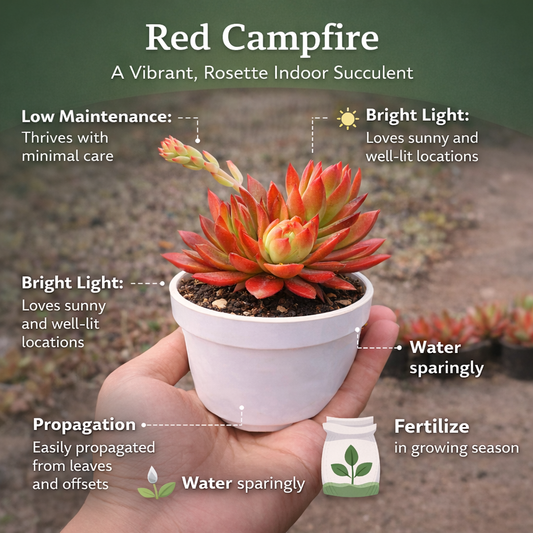
Red Camfire (Bare Rooted)
Regular price From Rs. 79.00Regular priceRs. 149.00Sale price From Rs. 79.00Sale -
Senecio rowleyanus String of pearls (Bare Rooted)
Regular price From Rs. 89.00Regular priceRs. 119.00Sale price From Rs. 89.00Sale -
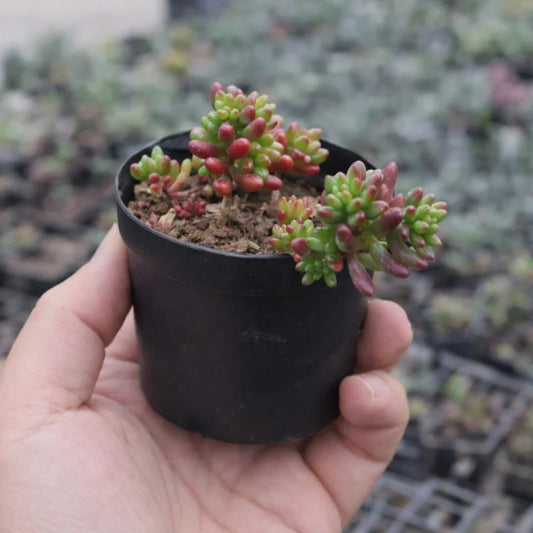
Sedum Rubrotinctum (Bare Rooted)
Regular price From Rs. 89.00Regular priceRs. 110.00Sale price From Rs. 89.00Sale -
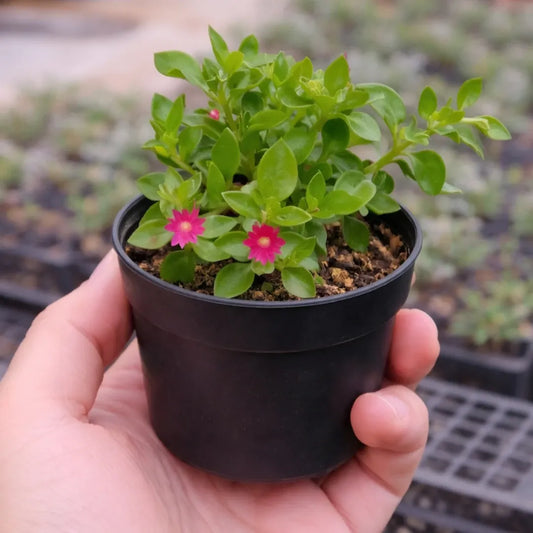
Baby Sunrose (Bare Rooted)
Regular price From Rs. 89.00Regular priceRs. 119.00Sale price From Rs. 89.00Sale -
English Ivy (Bare Rooted)
Regular price From Rs. 79.00Regular priceRs. 109.00Sale price From Rs. 79.00Sale -
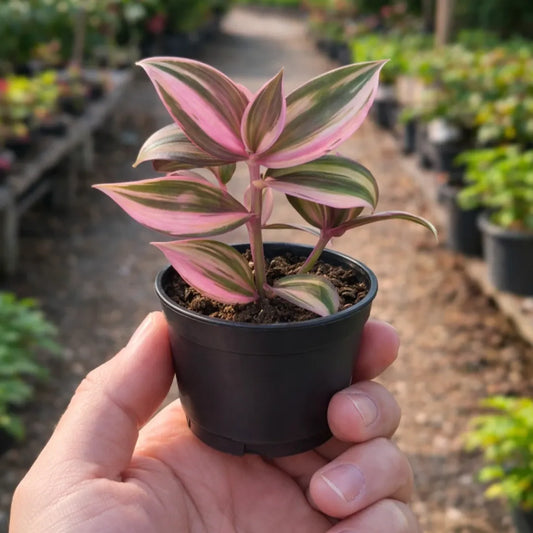
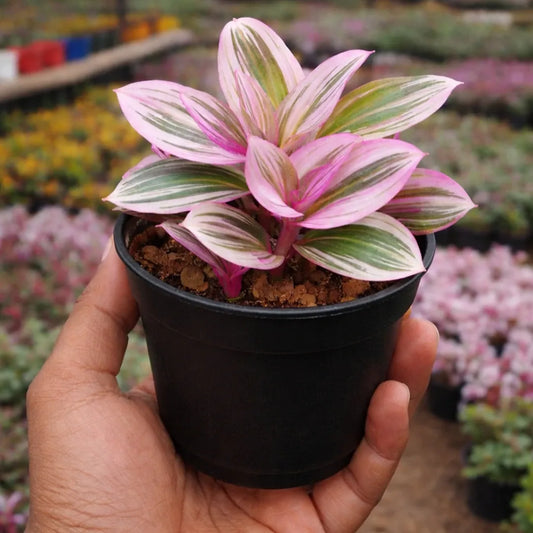
Tradescantia zebrina (Bare Rooted)
Regular price From Rs. 79.00Regular priceRs. 119.00Sale price From Rs. 79.00Sale -
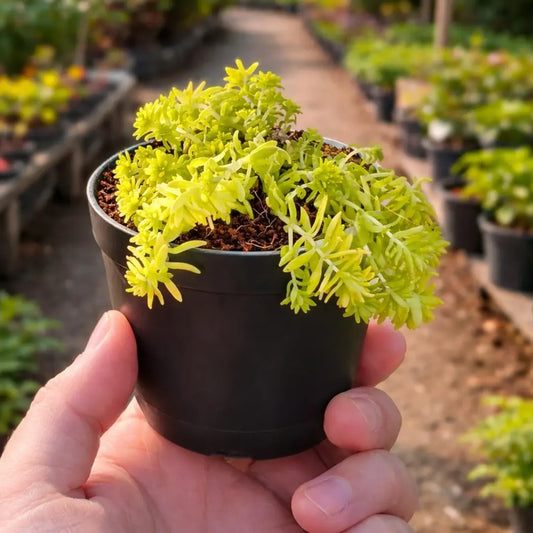
Sedum japonicum ‘Tokyo Sun’ (Bare Rooted)
Regular price From Rs. 69.00Regular priceRs. 110.00Sale price From Rs. 69.00Sale -
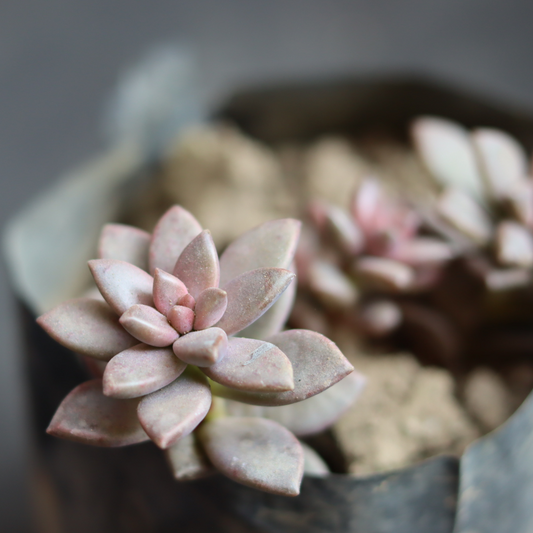
Graptosedum Alpenglow (Bare Rooted)
Regular price Rs. 89.00Regular price -
SPIDER PLANT AIR PURIFIER (BARE ROOTED)
Regular price From Rs. 79.00Regular priceRs. 119.00Sale price From Rs. 79.00Sale -
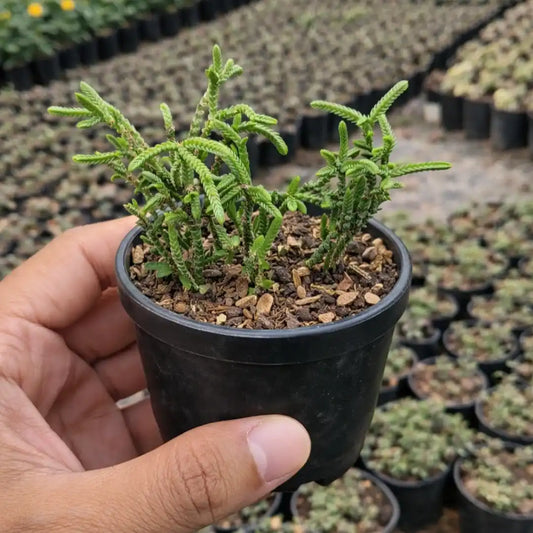
Crassula Muscosa (Bare Rooted)
Regular price From Rs. 79.00Regular priceRs. 110.00Sale price From Rs. 79.00Sale -

 Sale
SaleBlack Laxmi Kamal
Regular price From Rs. 99.00Regular priceRs. 199.00Sale price From Rs. 99.00Sale -
Graptopetalum Amenthesium - Pink Moonstone
Regular price From Rs. 99.00Regular priceRs. 149.00Sale price From Rs. 99.00Sold out -
Sedum-Pachyphyllum - SEDUM-BANANA (Bare Rooted)
Regular price From Rs. 89.00Regular priceRs. 119.00Sale price From Rs. 89.00Sale -
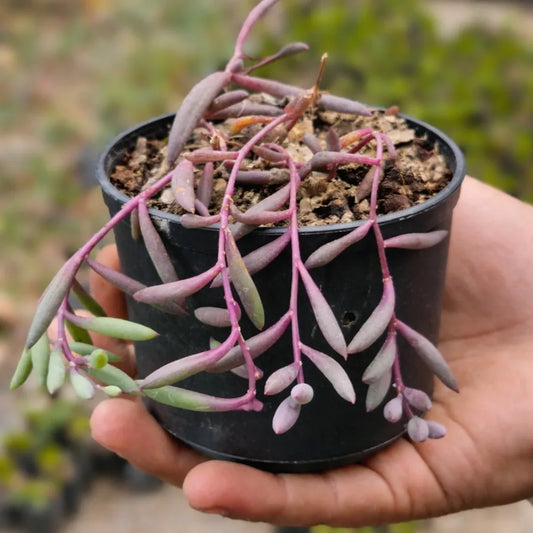
Othonna capensis-Ruby Necklace (Bare Rooted)
Regular price From Rs. 89.00Regular priceRs. 110.00Sale price From Rs. 89.00Sale -
Echinopsis Chamaecereus - Peanut Cactus
Regular price From Rs. 99.00Regular priceRs. 199.00Sale price From Rs. 99.00Sale -
TRADESCANTIA NANOUK PINK (Bare Rooted)
Regular price From Rs. 99.00Regular priceRs. 149.00Sale price From Rs. 99.00Sale -

 Sold out
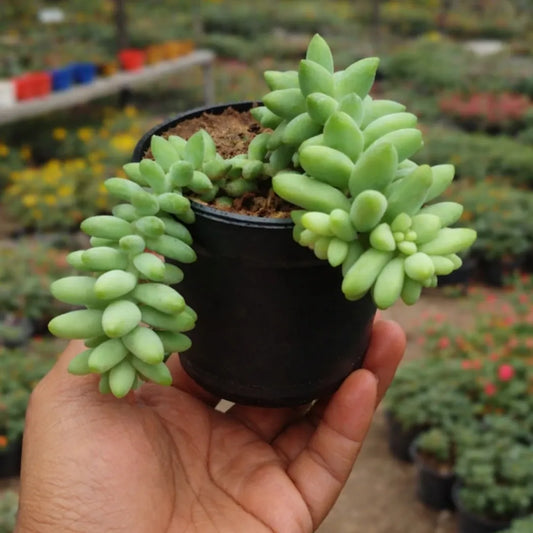
Burro’s Tail
Regular price From Rs. 89.00Regular priceRs. 199.00Sale price From Rs. 89.00Sold out -
 Sold out
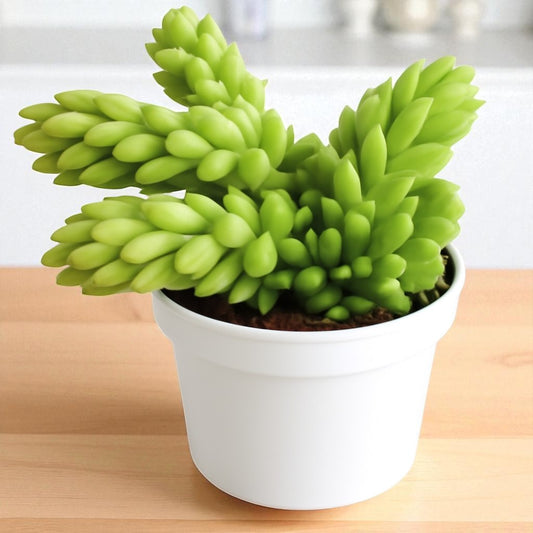
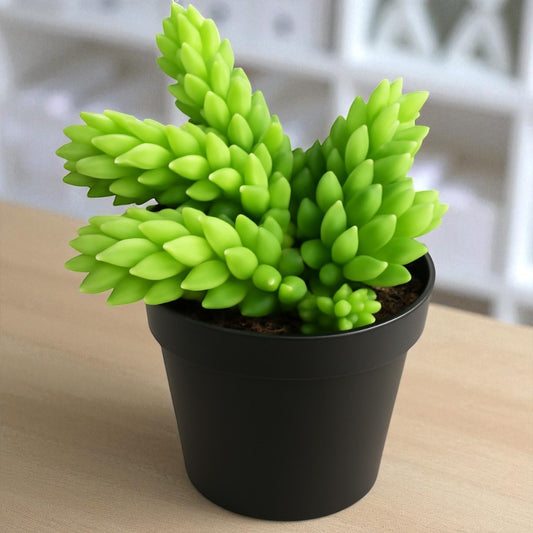
Donkey Tail (Bare Rooted)
Regular price From Rs. 99.00Regular priceRs. 119.00Sale price From Rs. 99.00Sold out -

 Sale
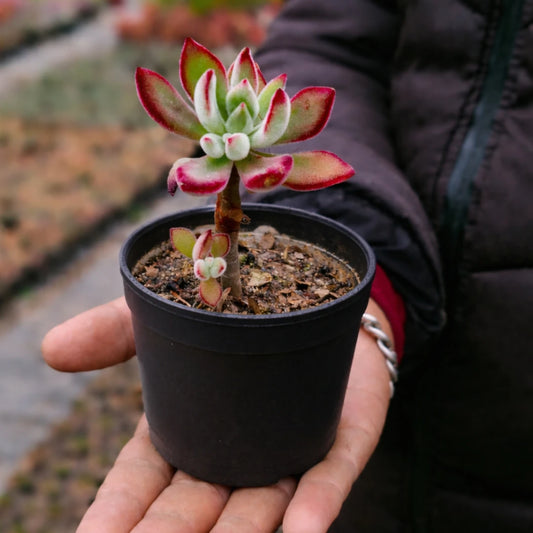
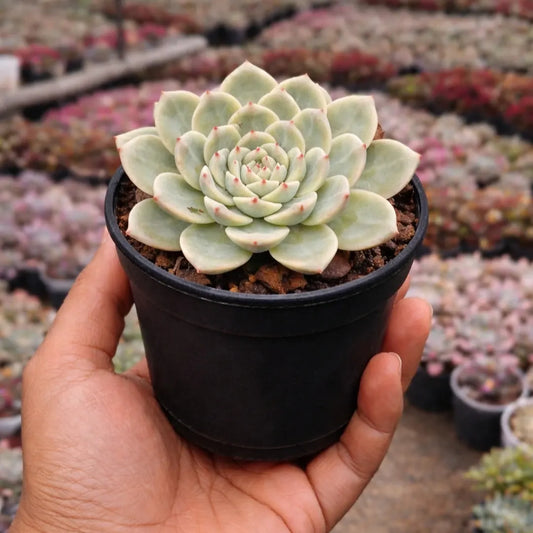
SaleEcheveria Pulvinata
Regular price From Rs. 149.00Regular priceRs. 249.00Sale price From Rs. 149.00Sale -

 Sold out
Echeveria Peacockii - Blue Bird
Regular price From Rs. 119.00Regular priceRs. 199.00Sale price From Rs. 119.00Sold out -

 Sale
SalePink Syngonium Plant
Regular price From Rs. 69.00Regular priceRs. 199.00Sale price From Rs. 69.00Sale -
Graptoveria Titubans (Blue Lotus) Bare Rooted
Regular price From Rs. 99.00Regular priceRs. 110.00Sale price From Rs. 99.00Sale -
SANSEVERIA HANII DWARF (SNAKE PLANT) Bare Rooted
Regular price Rs. 129.00Regular priceRs. 149.00Sale price Rs. 129.00Sale -
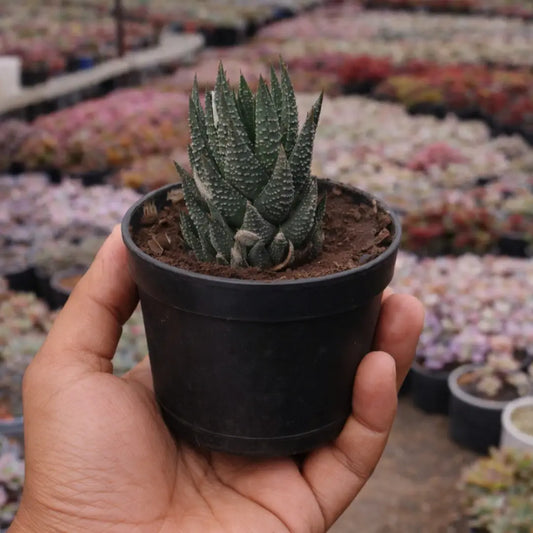
Hawothiopsis Zebra (Bare Rooted)
Regular price From Rs. 149.00Regular price -
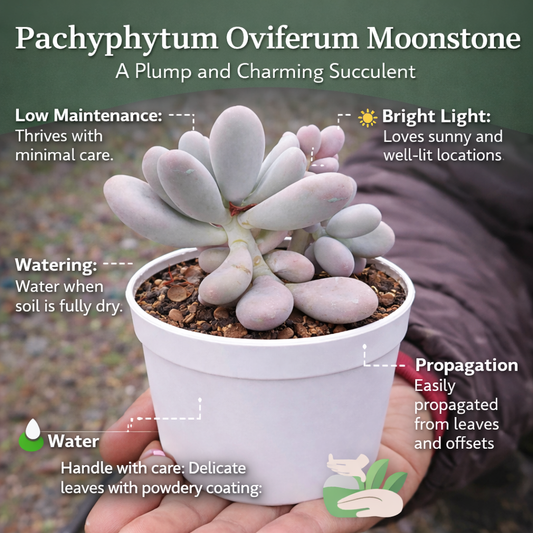
Pachyphytum Oviferum Moonstone (Bare Rooted)
Regular price From Rs. 99.00Regular priceRs. 199.00Sale price From Rs. 99.00Sale -
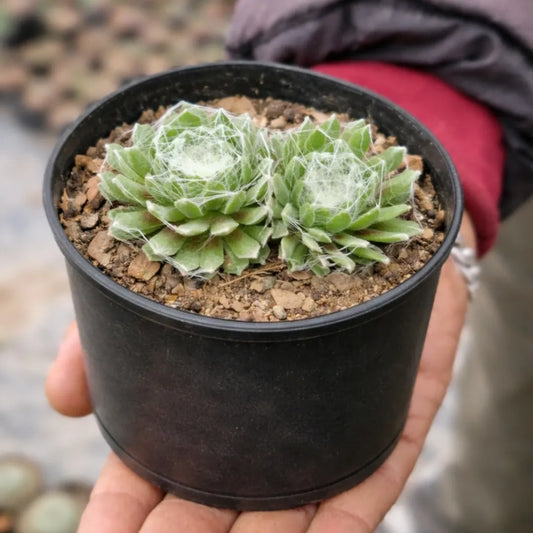
Sempervivum arachnoideum Cobweb (Bare Rooted)
Regular price From Rs. 89.00Regular priceRs. 149.00Sale price From Rs. 89.00Sale -

 Sale
Sale -
Senecio citriformisis (String of tears) (Bare Rooted)
Regular price From Rs. 89.00Regular priceRs. 149.00Sale price From Rs. 89.00Sale -
Indoor Oasis Set
Regular price Rs. 299.00Regular price -
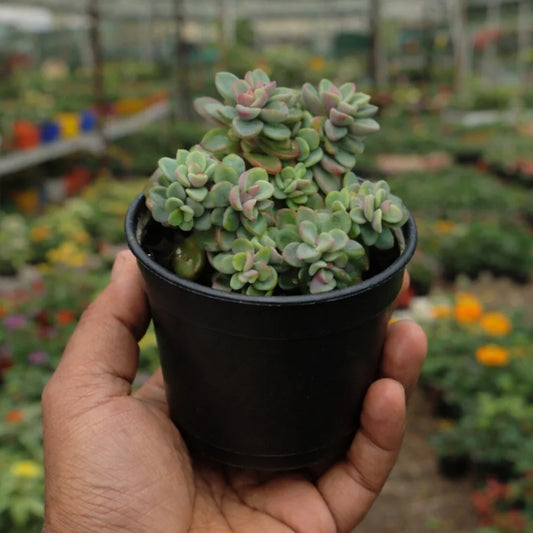
Graptosedum California Sunset (Bare Rooted )
Regular price From Rs. 99.00Regular priceRs. 199.00Sale price From Rs. 99.00Sale -

 Sale
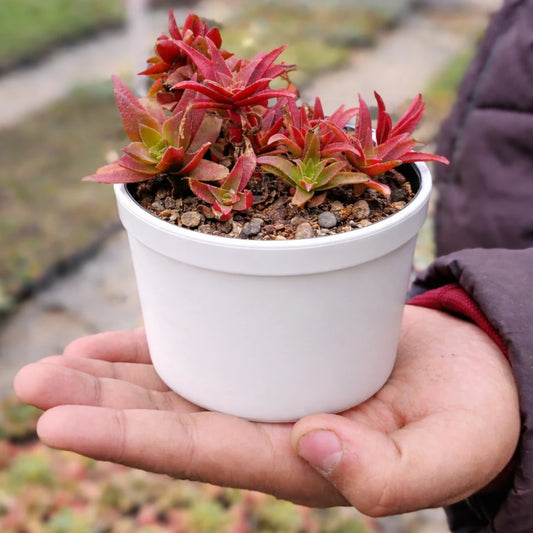
SaleCrassula Thyrsiflora
Regular price From Rs. 89.00Regular priceRs. 150.00Sale price From Rs. 89.00Sale -

 Sale
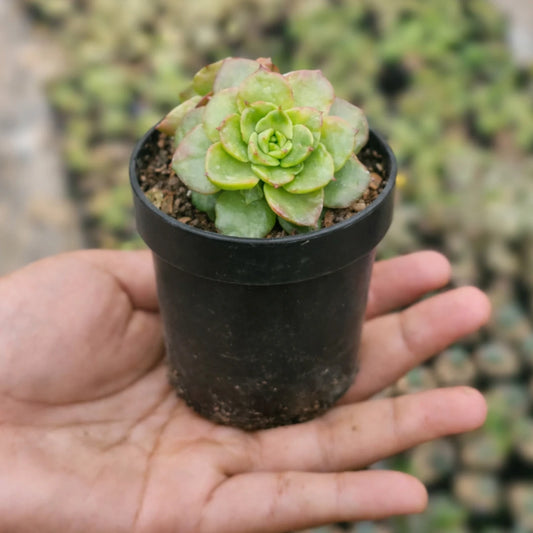
SaleSedeveria letizia
Regular price From Rs. 99.00Regular priceRs. 149.00Sale price From Rs. 99.00Sale -
Peace Lily Sapling(Spathiphyllum Air Purifier Plant)
Regular price From Rs. 79.00Regular price -
Orbea Semota Var Lutea (Bare Rooted)
Regular price From Rs. 89.00Regular priceRs. 149.00Sale price From Rs. 89.00Sale

























Frequently Bought Together
-
Indoor Oasis Set
Regular price Rs. 299.00Regular price -
Combo A2/Colorful Indoor Succulent Plant Combo
Regular price Rs. 299.00Regular price -
Combo A4 / Indoor Low Maintenance Succulent Combo
Regular price Rs. 399.00Regular price -
Combo A9 / Premium Indoor Succulent Plant Combo
Regular price Rs. 299.00Regular price





Frequently Asked Questions (FAQ'S)
How do I choose the right indoor plant for my space?
Choose a plant based on the light and space in your room. If your room gets lots of light, go for succulents or cacti. For low-light spaces, try snake plants or ZZ plants. Also, think about how much time you have for care—easy plants like pothos need less attention, while others like orchids need more. Match the plant’s needs with your space, and you’ll have a happy, healthy plant!
How often should I water my indoor plants?
Water your indoor plants when you see the top inch of soil dry or if it feels dry. For the plants like snake plants or cacti, you only need to water every 2-3 weeks, as they store water in their leaves. For plants like peace lilies or pothos, water them once a week or when the soil feels dry about an inch down. Always check the soil first to avoid overwatering, which can lead to root rot.
What type of soil is best for indoor plants?
Use well-draining soil for indoor plants. A mix of potting soil, perlite, and some sand or coconut coir works well. For succulents and cacti, use a special cactus mix for extra drainage. For plants like peace lilies or ferns, use soil that holds moisture, like a mix with peat(cocopeat) to keep the roots hydrated. Make sure the soil drains easily to avoid water buildup and root rot.
When should I repot my indoor plants?
Repot your plants when they outgrow their pot or if the roots start to crowd. Here’s when to repot different plants:
- Succulents (like aloe vera or cacti) should be repotted every 1-2 years when the roots fill the pot.
- Peace lilies or pothos need repotting when they become top-heavy or grow slowly.
- Ferns (like Boston ferns) should be repotted when their roots get too tight and water started draining quickly.
Choose a pot that’s 1-2 inches larger to help your plants grow healthy and strong.
Do indoor plants need fertilizer?
Yes, indoor plants need fertilizer to stay healthy, especially during their growing season. Here's how often you should fertilize different types of indoor plants:
- Succulents (like aloe vera, echeveria, or jade plant) need fertilizer once every 2-3 months in spring and summer.
- Leafy plants (like peace lilies, pothos, or spider plants) should be fed every 4-6 weeks during the growing season to support strong leaf growth.
- Flowering plants (like orchids, begonias, or African violets) benefit from monthly fertilizing during their blooming period.
- Ferns (like Boston ferns, maidenhair ferns, or bird's nest ferns) should be fertilized every month in the spring and summer for healthy growth.
Use a balanced, water-soluble fertilizer, and always follow the instructions to avoid overfeeding your plants.
Why are my plant leaves turning yellow or dropping?
Yellow or dropping leaves can happen due to a few reasons. Overwatering, especially in plants like succulents and snake plants, can cause root rot. On the other hand, underwatering can make plants like pothos and peace lilies shed their leaves. If plants like monstera or zz plants aren't getting enough light, their leaves may turn yellow. A lack of nutrients can also cause yellow leaves, particularly in ferns and spider plants. Finally, pests like mealybugs or aphids can damage leaves, leading to them falling off. Adjust your watering, light, and care routine to keep your plants healthy.
What are the best low-maintenance indoor plants?
The best low-maintenance indoor plants include snake plants, pothos, peace lilies, ZZ plants, and spider plants. These plants are easy to care for because they don’t need frequent watering. Snake plants need water only every few weeks, and pothos can survive in low light with occasional watering. Peace lilies thrive with minimal care, needing water only when the soil is dry. ZZ plants can go for weeks without water, making them perfect for busy plant owners.